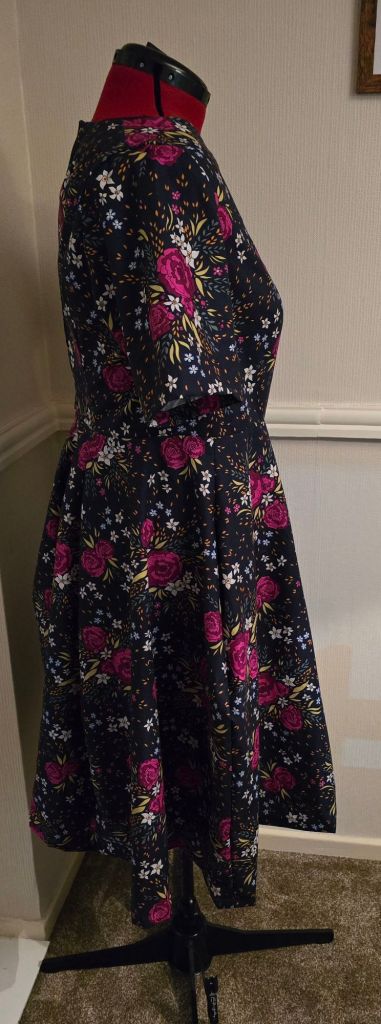
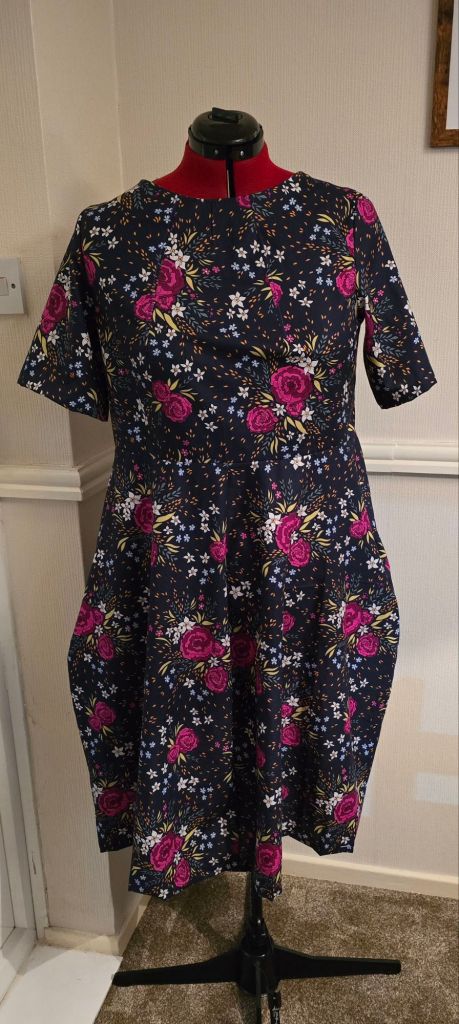
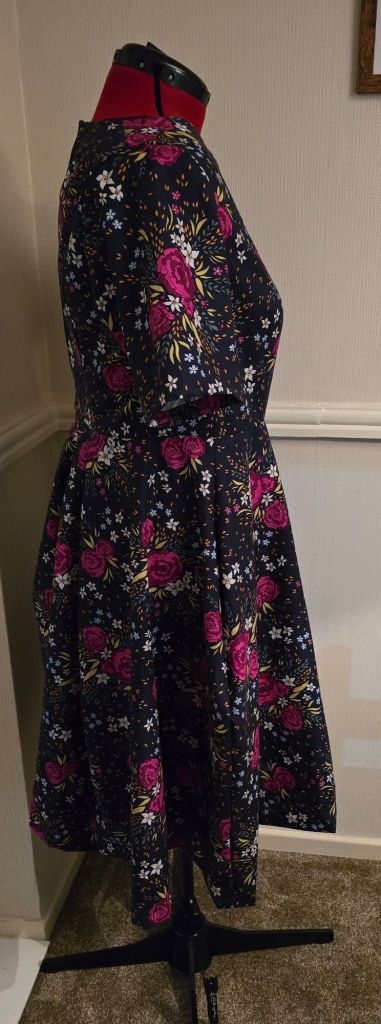
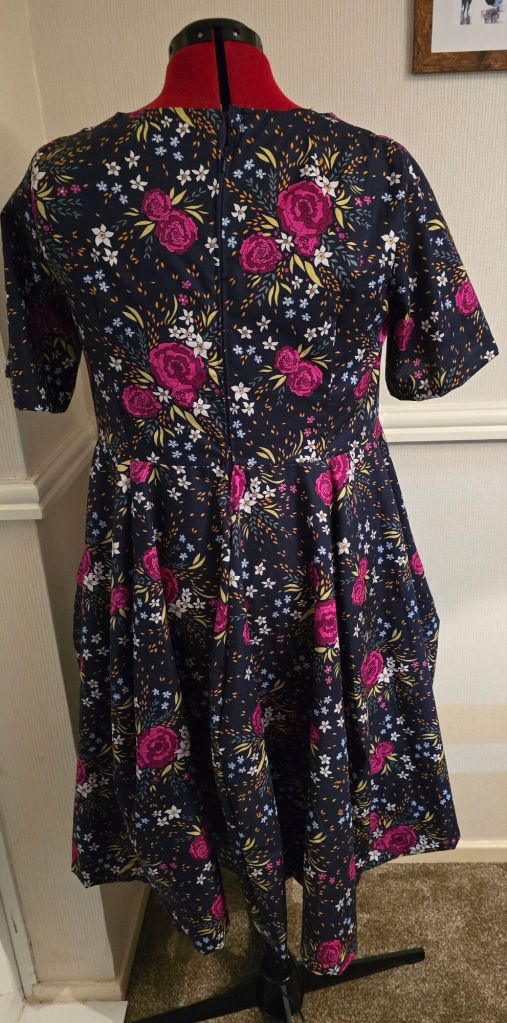
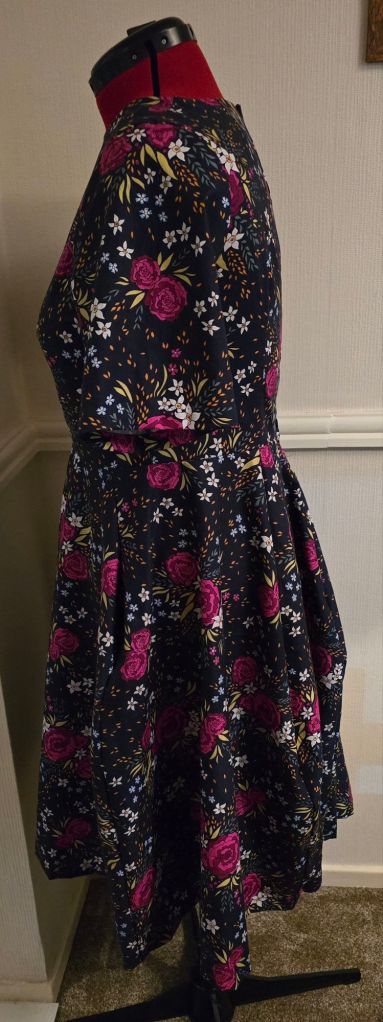
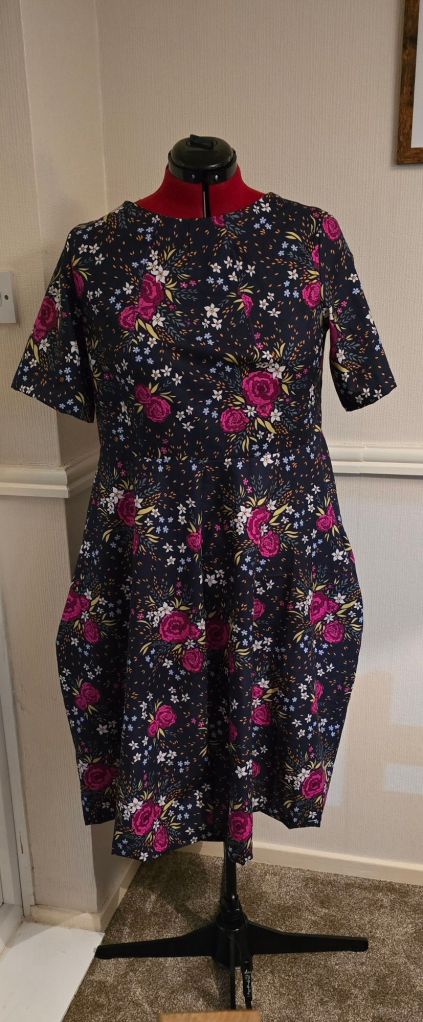
It was going to be a pinafore first but then I really wanted to try the Tulip dress. The pattern from TAL is very straightforward with printing lines and joining lines easy to see. I must have bought my own sellotape factory by now with the amount of A4 pattern joining I do.
The fabric from Hobbycraft is a soft cotton. I was going to topstitch the seams but it didn’t lend anything to the pattern and I like the clean lines.
It took about six hours total to make the dress but I’m a procrastinator and like to stop to do some knitting or walk the dog. That meant my six hours was over two days.
It needs a press but I’m happy with the result. I need to get better at invisible zips as they are awful.
Pattern scores 8/10 for representing the finished garment from the drawing.
I have no idea where I’ll wear it but it’s not about the destination it’s all about the journey x
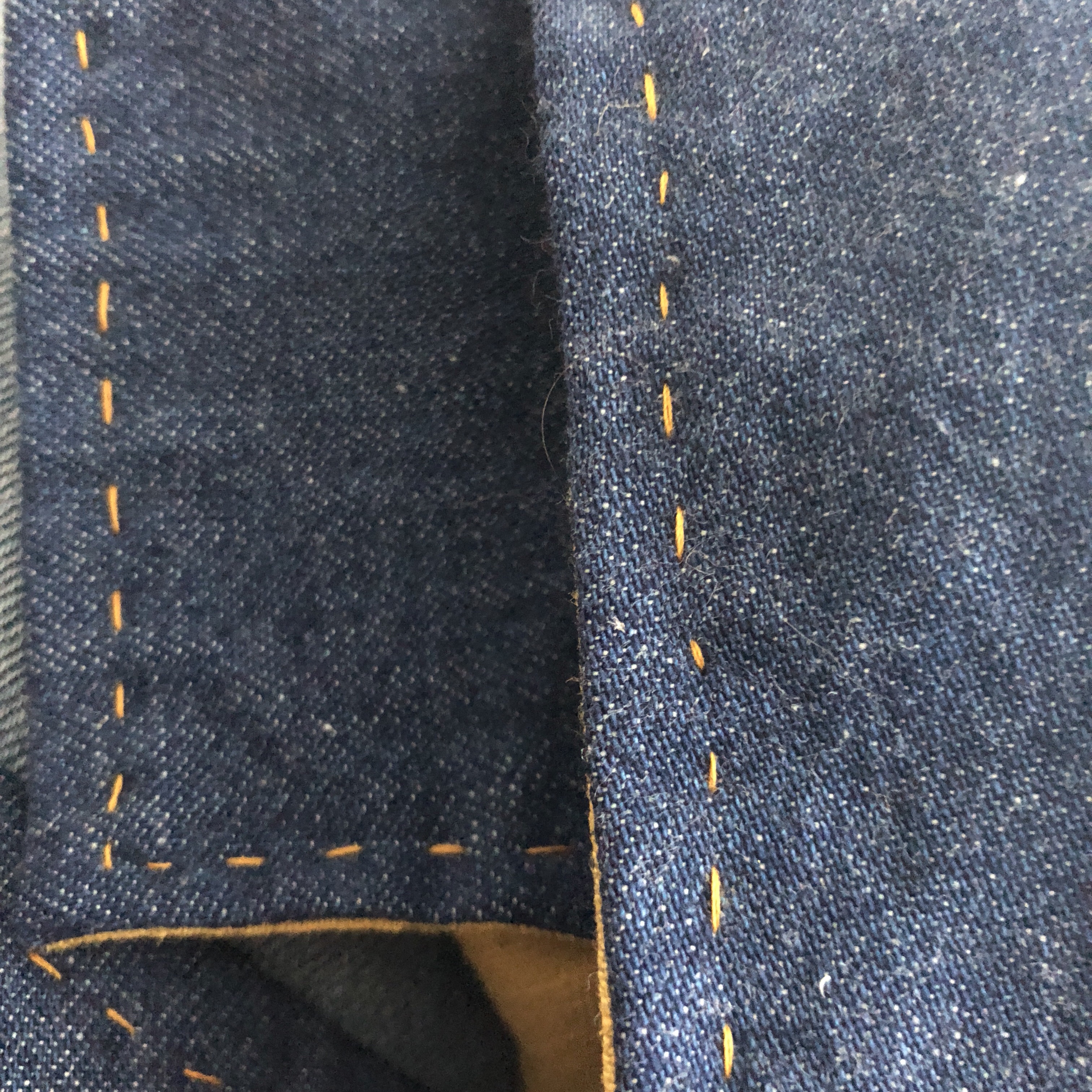
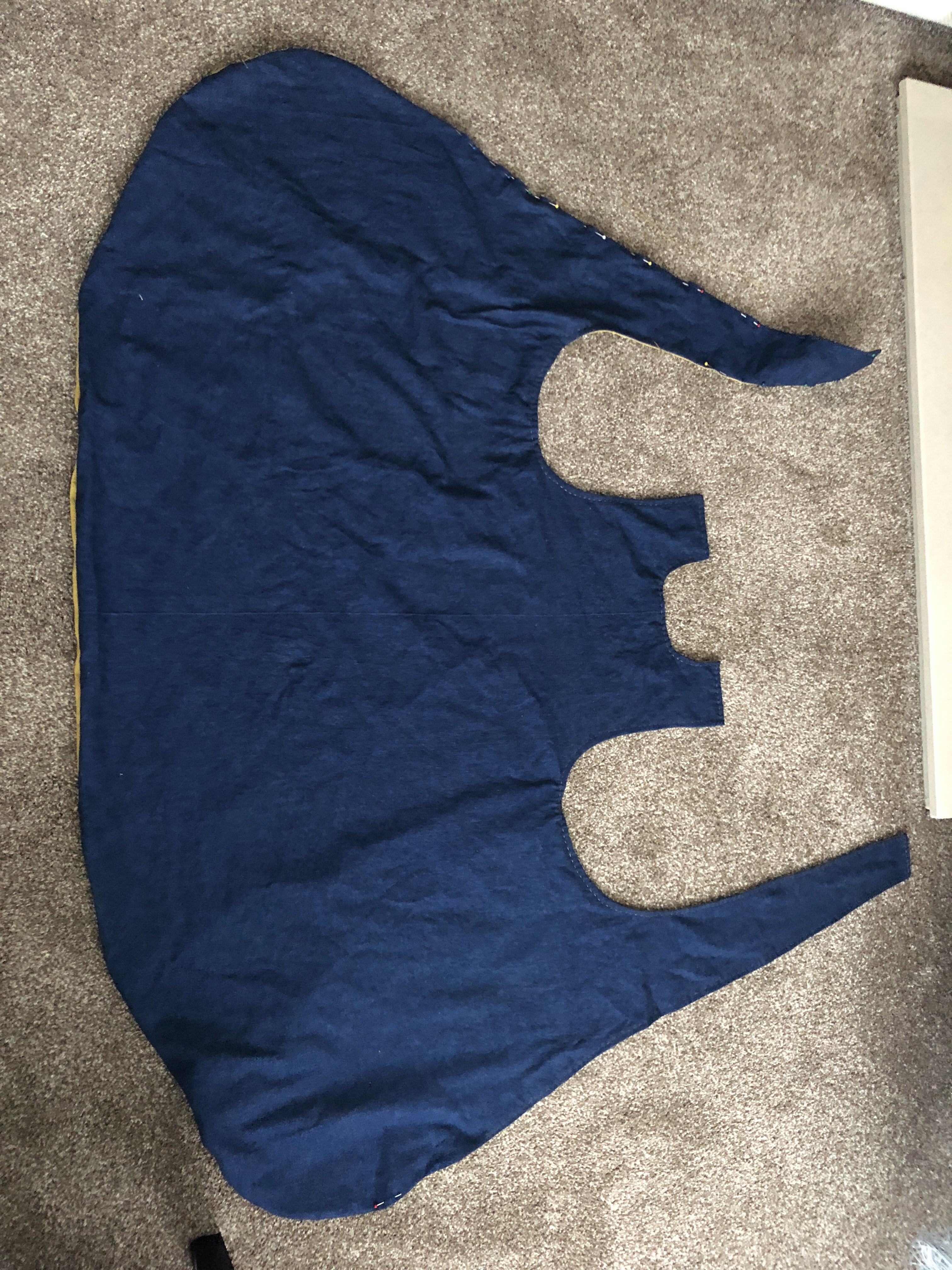
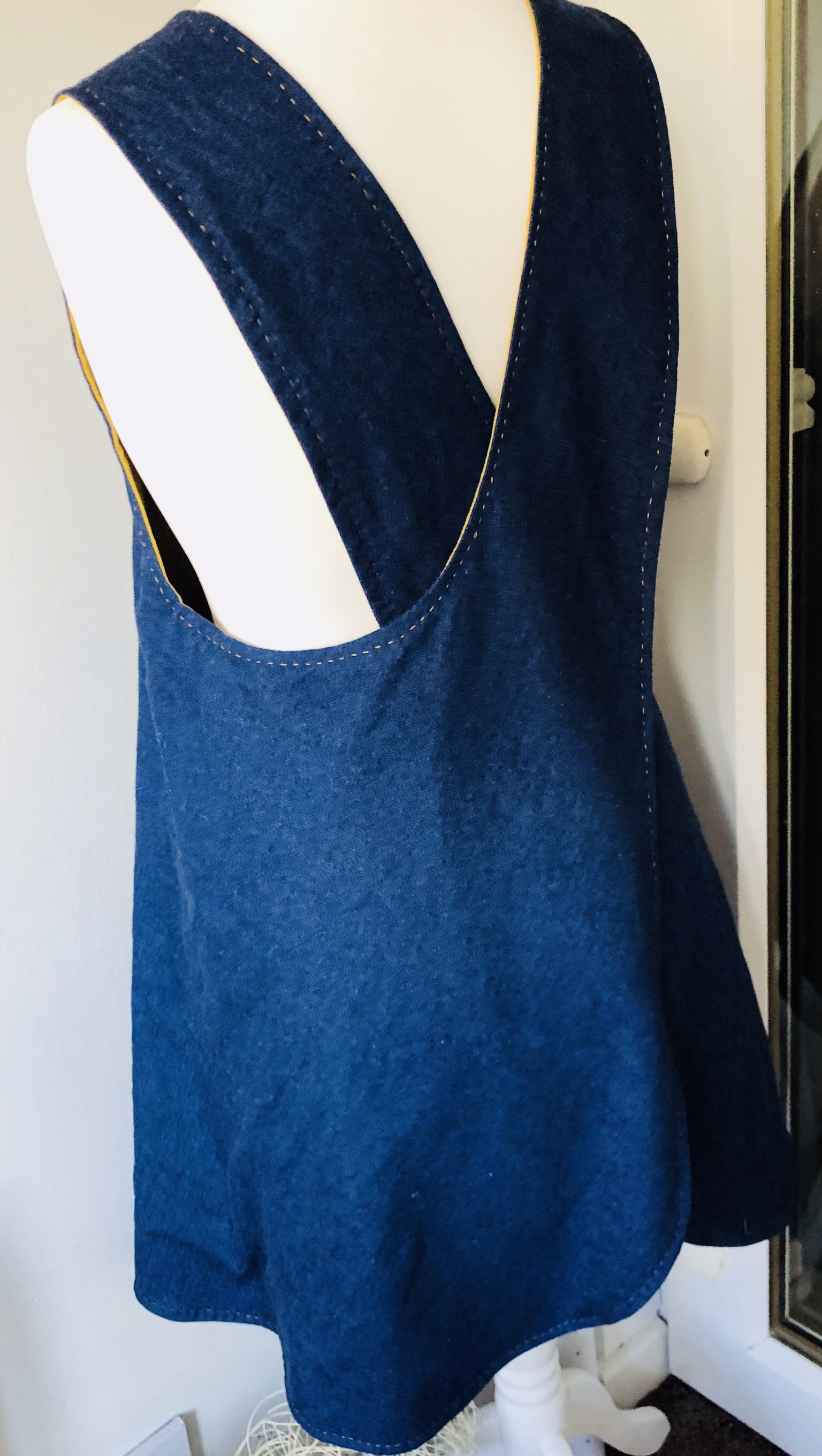
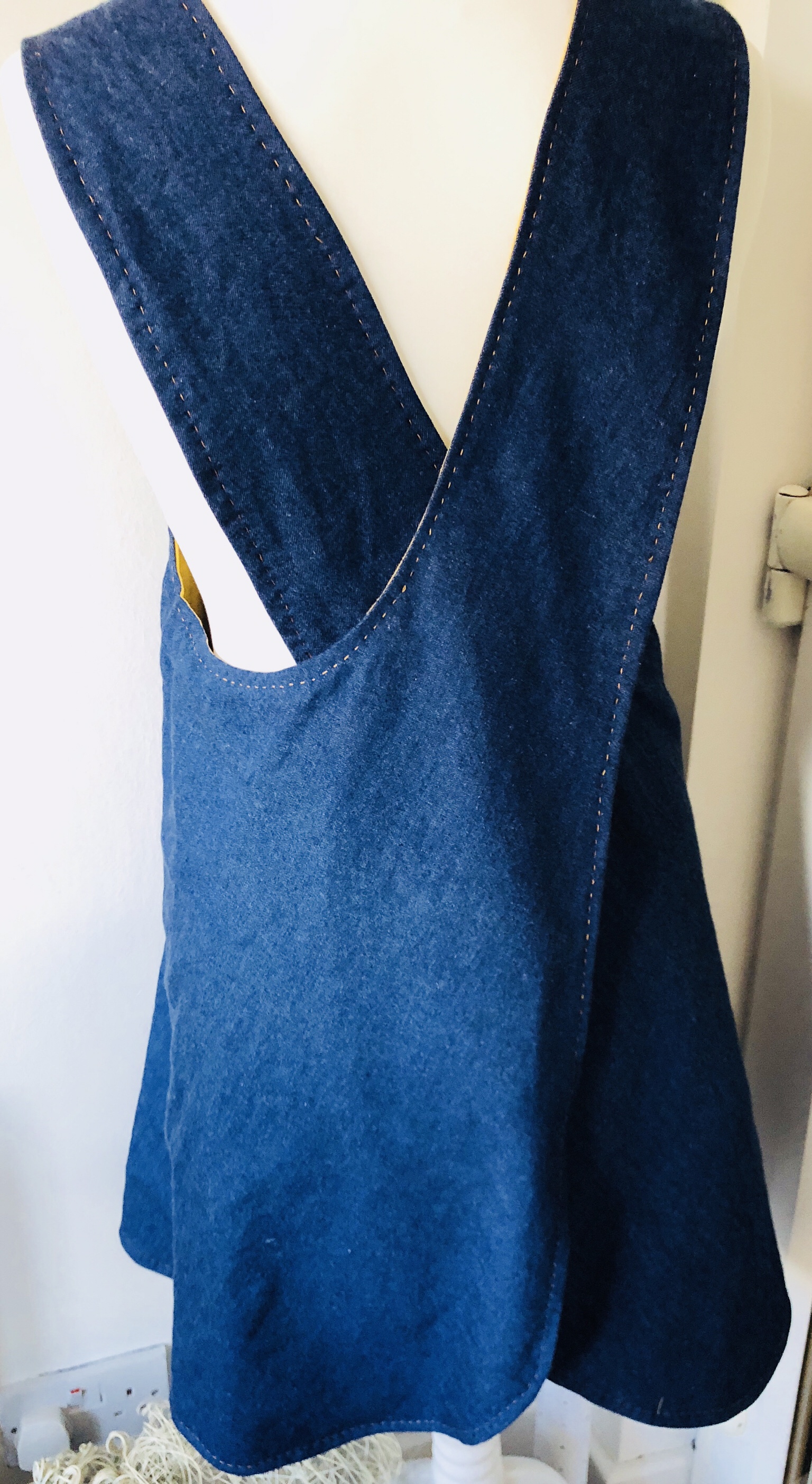
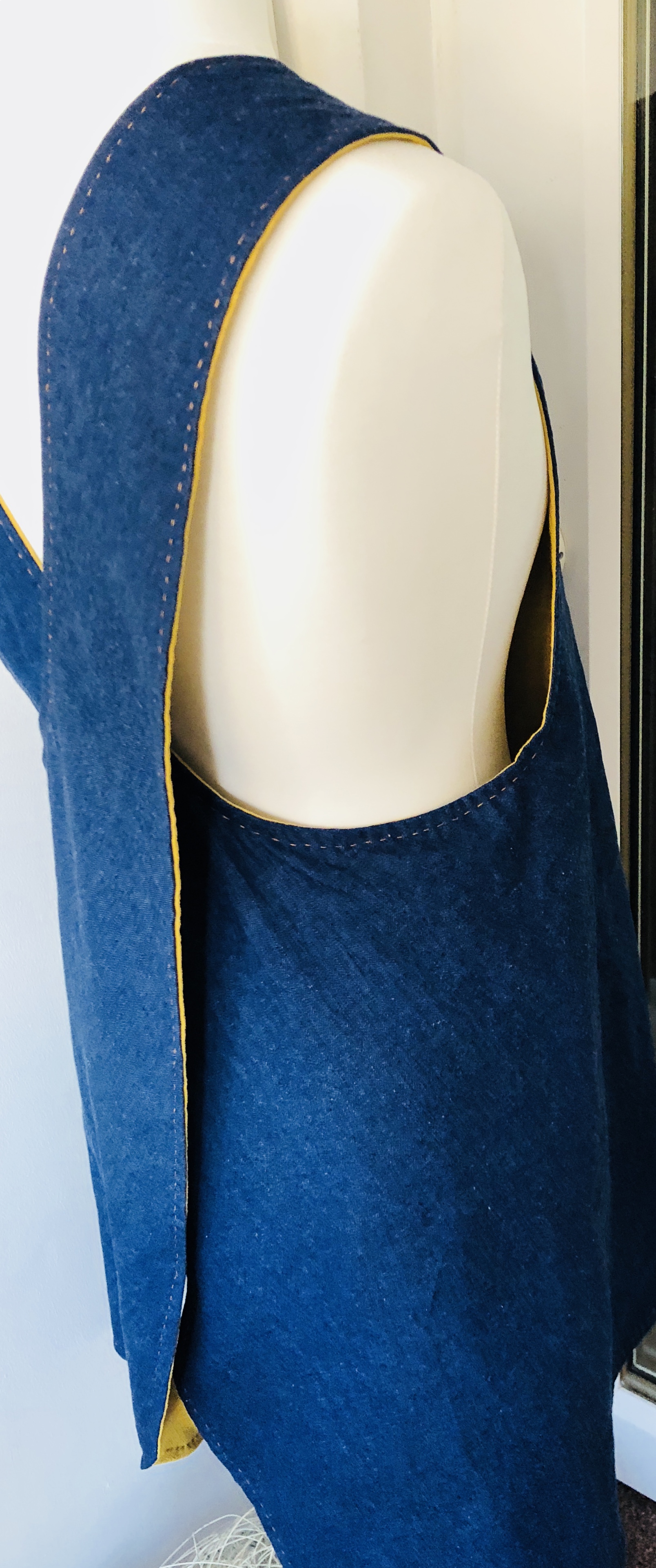
Very into sewing at the moment so am going to give the Margo by Merchant and Mills a go. I’ve washed the denim and cut out the pattern. So far I’m liking the pattern layout and instructions. https://merchantandmills.com/uk/the-margo-sewing-pattern
I tend to think there are different types of home sewers. Which one are you?
The speedy : Pattern cut garment sewed in three hours. No one can speak to them when they’re in the ‘zone’ and don’t even think of asking if they can make you a sandwich! These sewers cry (a lot!) because everything has to be done at 100 miles an hour and there is no time for failure.
The Ruminator: Pattern bought, fabric bought but the next week spent looking at pictures of the pattern made by other people. Half way through the week they’ll decide they don’t really want to make it after all and the pattern will go into the pattern box. The fabric is still rolled up in a carrier bag!
The Faffer: Every step of the pattern is studied and followed meticulously. Each sewing session has a target of a number of steps and must be completed before the session can end. Usually takes at least a fortnight to complete a garment. They then get hung up and never worn cos the journey is much more fun than the destination
The Miracle Worker: The sewer who can make twenty seven nativity costumes in an evening for the nativity play at nursery the next day. Usually have a sewing needle and several pins pinned to their cardigan. Always has a needle and thread handy. Could make costumes for a whole pantomime in one sitting and enjoy every minute.
The Stalker: Likes buying patterns and fabric but doesn’t enjoy the sewing. Has so much fabric in their stash they could upholster a car park. Follows all the blogs but never comments.
long time……..no see but I’m back and determined to craft and to finish things. I’ll add some pictures of recent projects and have a few plans on the go to blog about soon
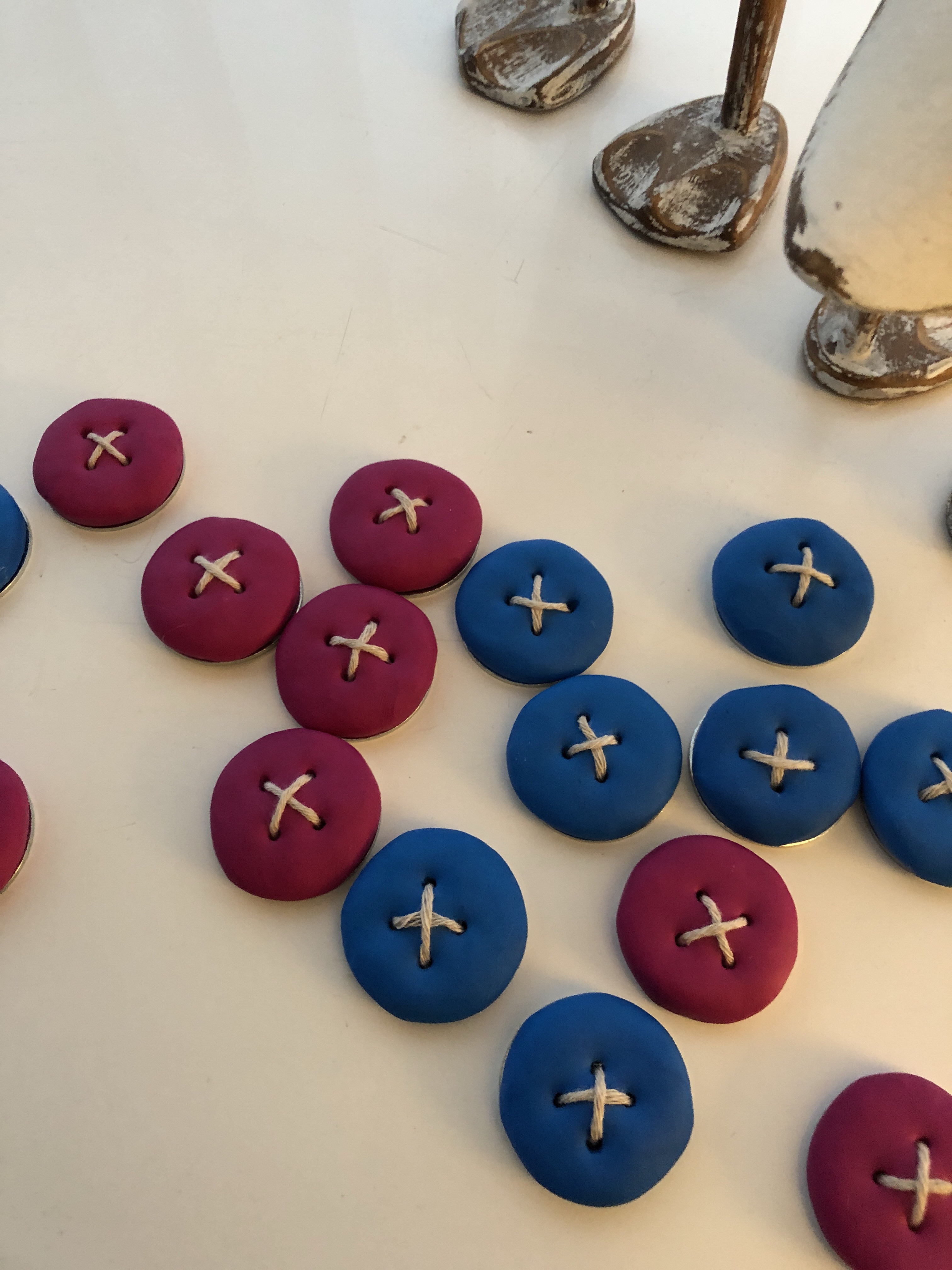
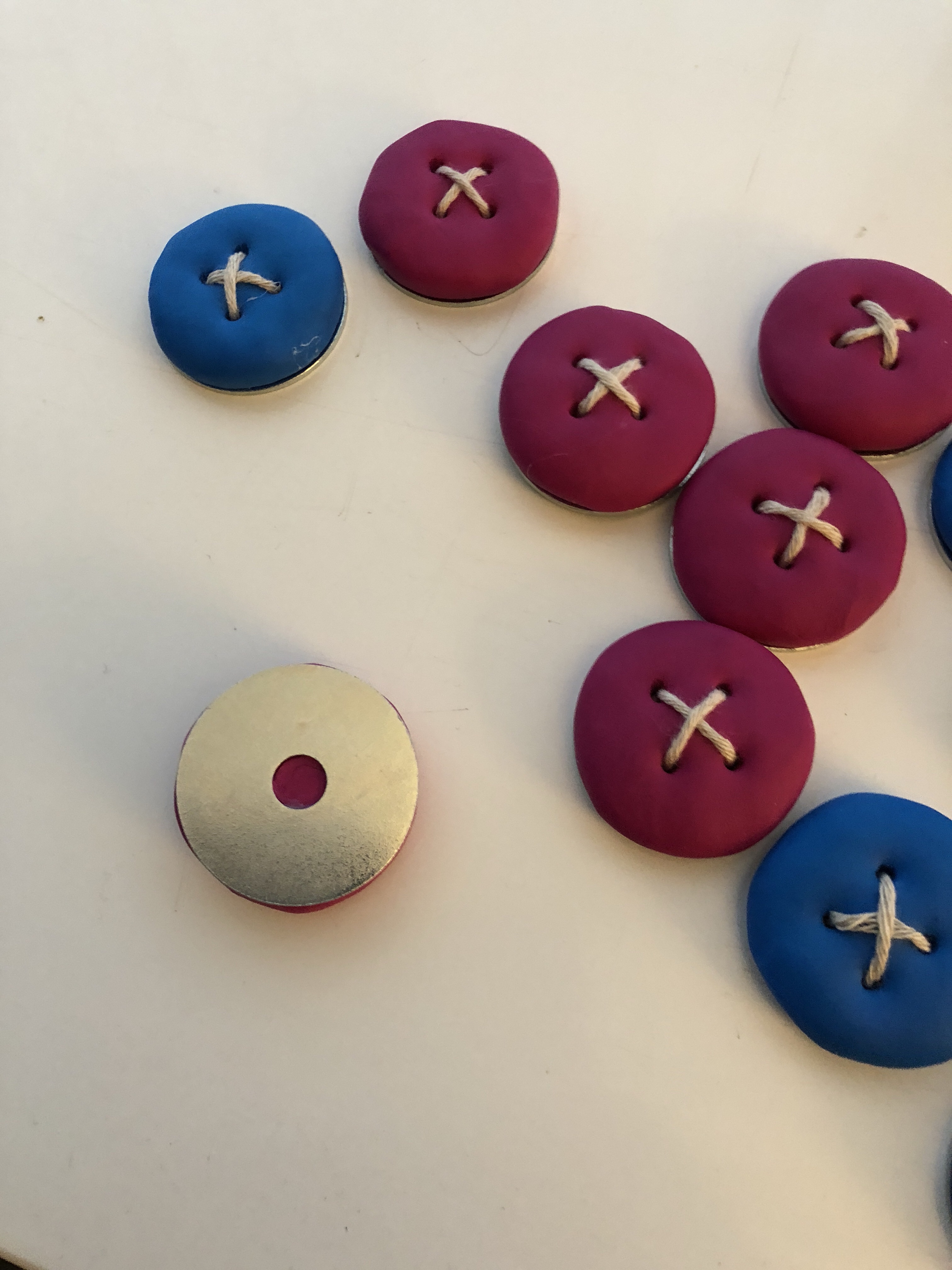
A couple of squares of Fimo clay, some zinc washers from B&Q and some string and glue. Took next to no time to make and now will be holding down my patterns while I cut especially for fabrics that don’t like pins.
Instructions
Divide each bar of the clay into eight then roll each into a ball. Squash this down onto the washer. Flatten as much as you want. Use a cocktail stick for the holes but snip the end flat before you use it. Cook as per Fimo instructions. When cool pull off the washers and thread through the string. Apply glue to the underside of the button then push the washer back on. When dry you’re done! Cost about £7.50 to make. 😘😘
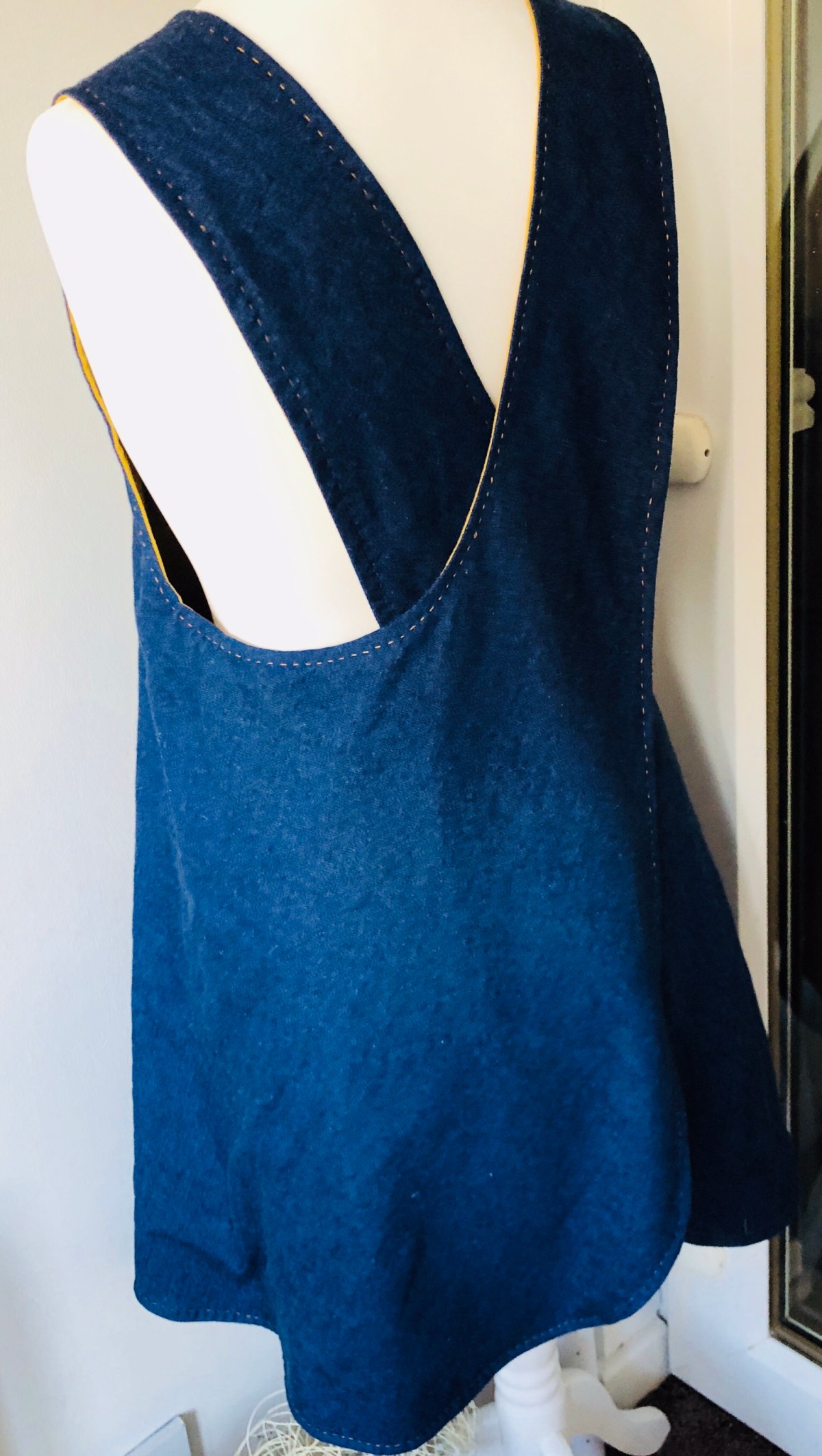
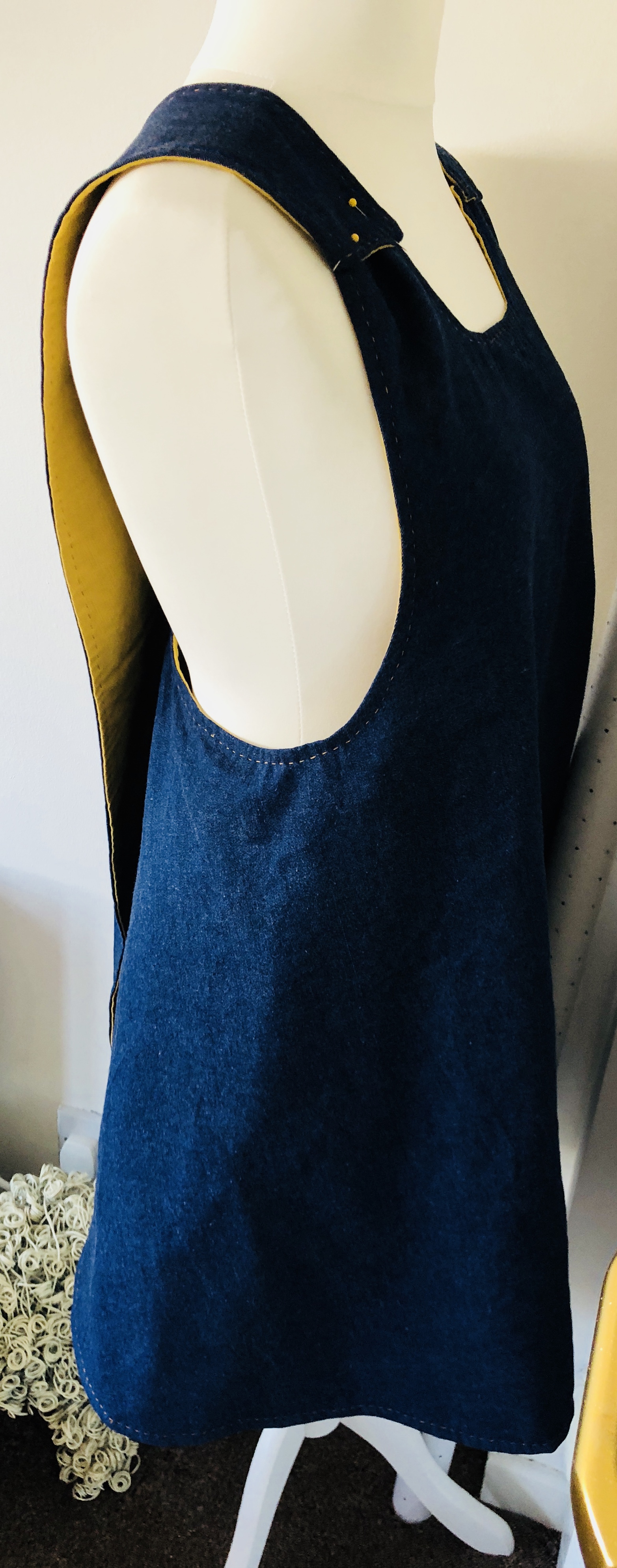
Its taken me two weeks so i’m over the moon to present to you the sewing instructions for a Japanese inspired apron. Best of all the pattern is completely FREE!!!!!
I’m offering it for free because it’s the first one i’ve made so I want people to try it and test it and find out where it needs tweaked and changed. It comes in children’s adult and plus sizes. 2-7 years, 8-15 years, S,M,L,XL, UK plus sizes 20-26. If you’d like it bigger then email me and I can do that for you.
This is a great apron for protecting your clothes for cooking, crafts, gardening etc. For children it’s great for craft and messy play. I washed and tumble dried the fabric before I started so it is robust enough to go in a hot wash and dry. I made some in denim and linen which came out well. It’s probably best with heavy fabrics or maybe a heavy fabric and a light lining. The pocket can be put anywhere or nowhere it’s up to you. You can also decide on the fastenings.
I’d love to se what you make. Email me at jcrudace@gmail.com if you have questions or comments. Happy Sewing!


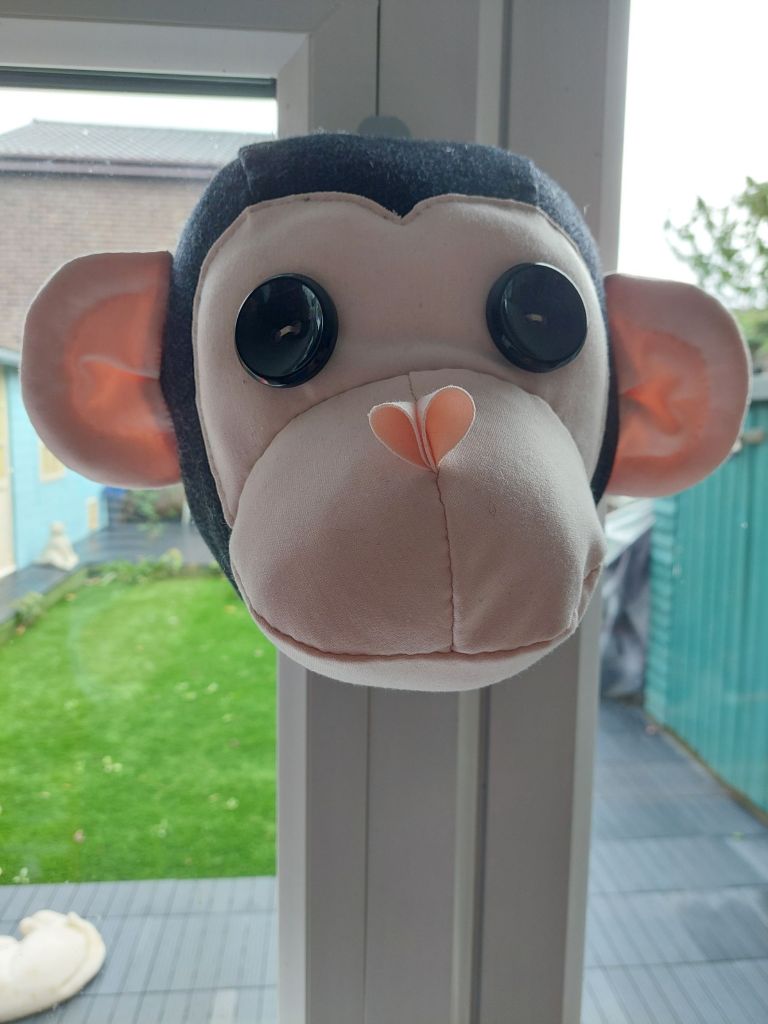
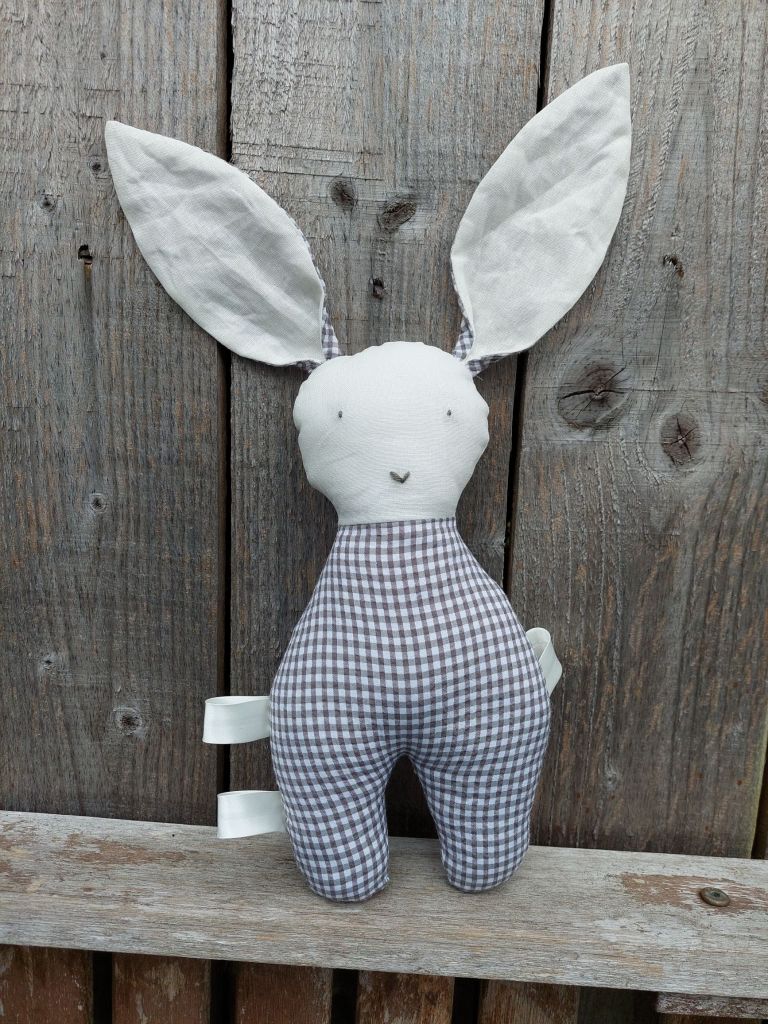
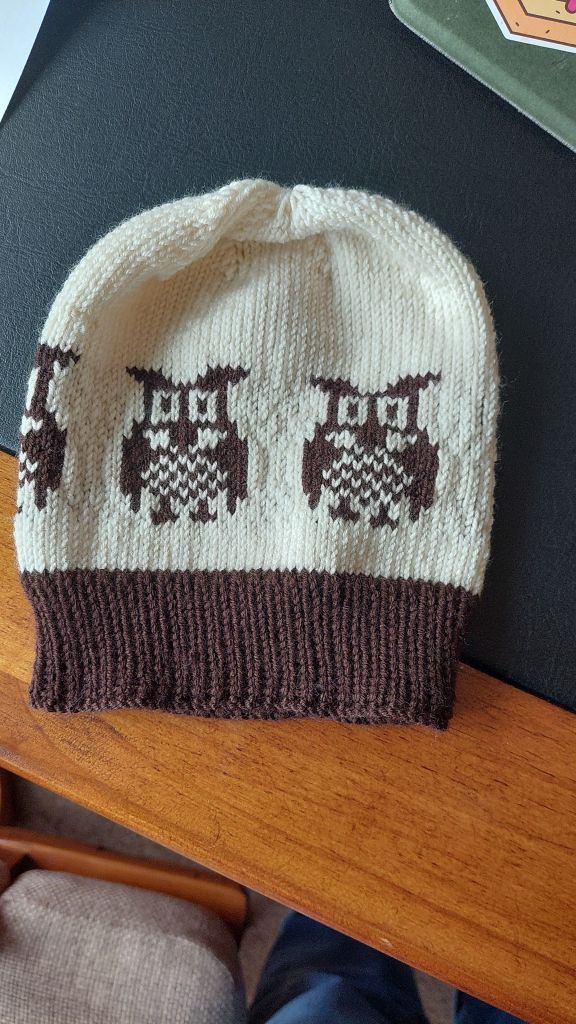
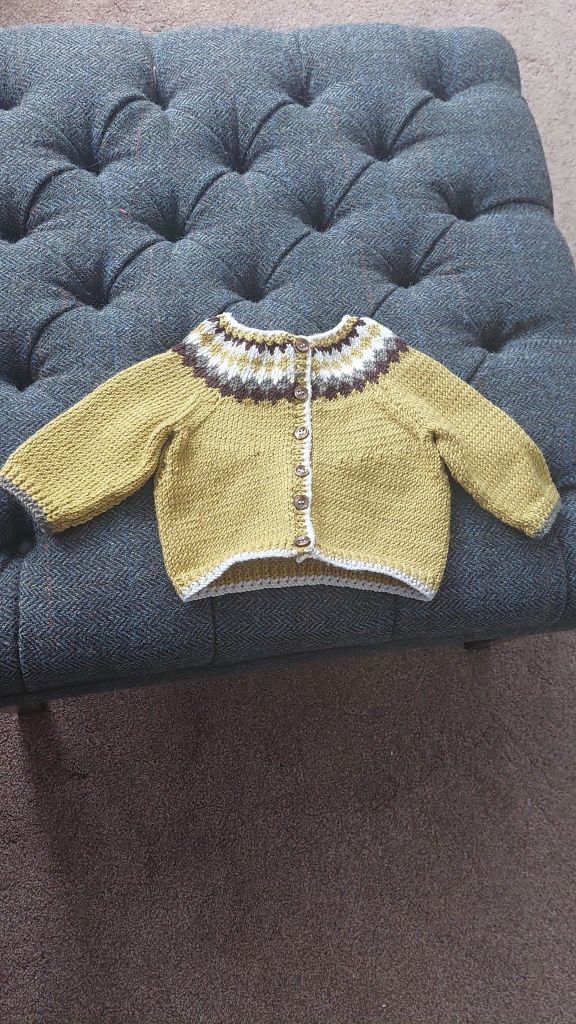
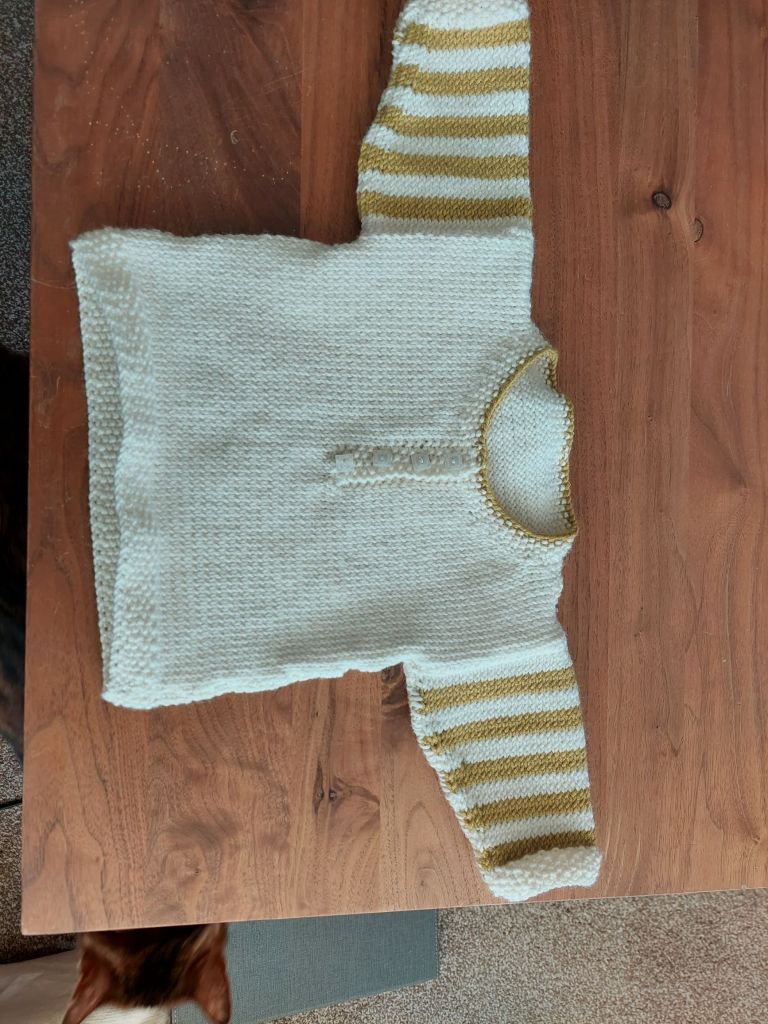
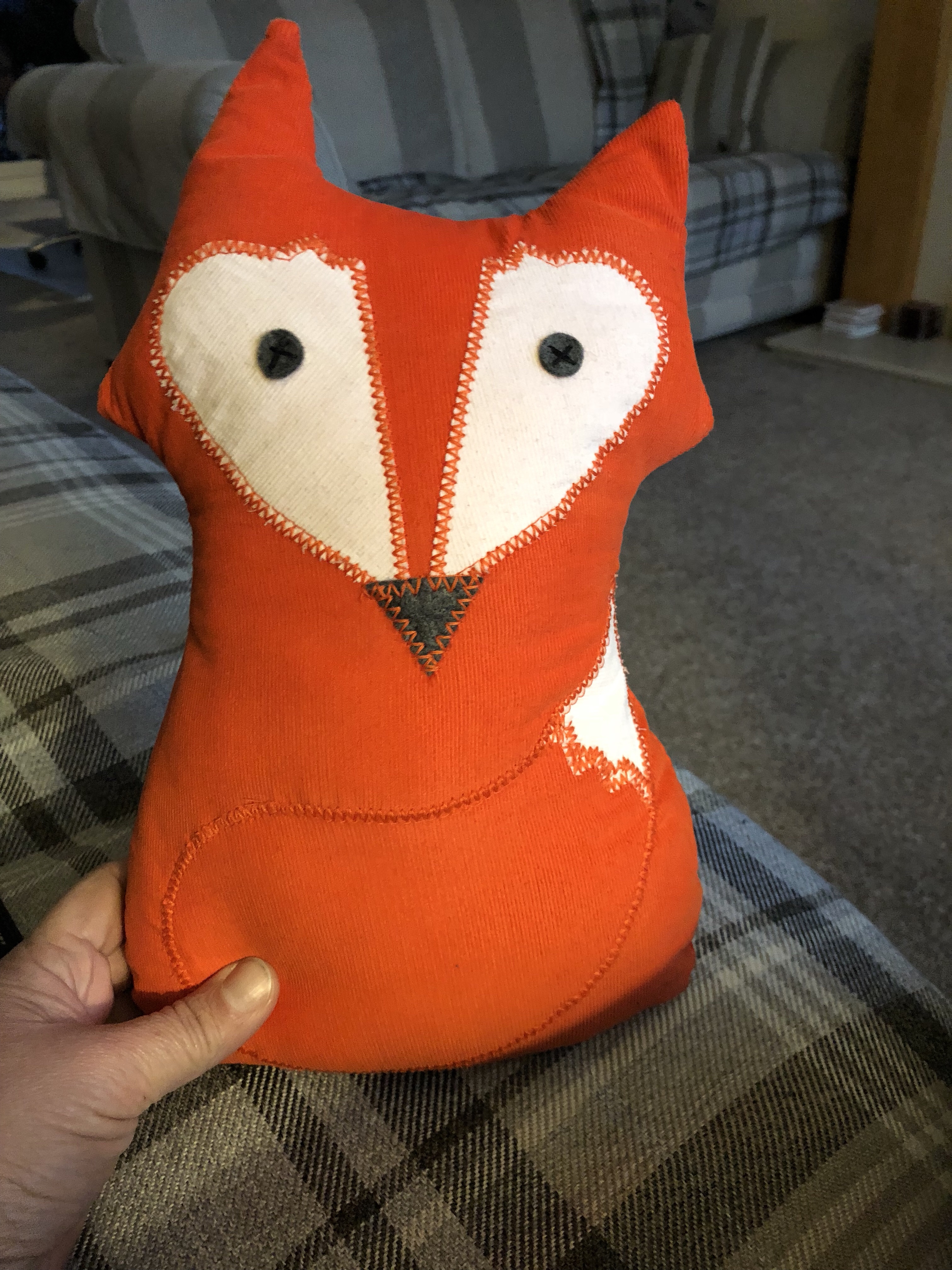
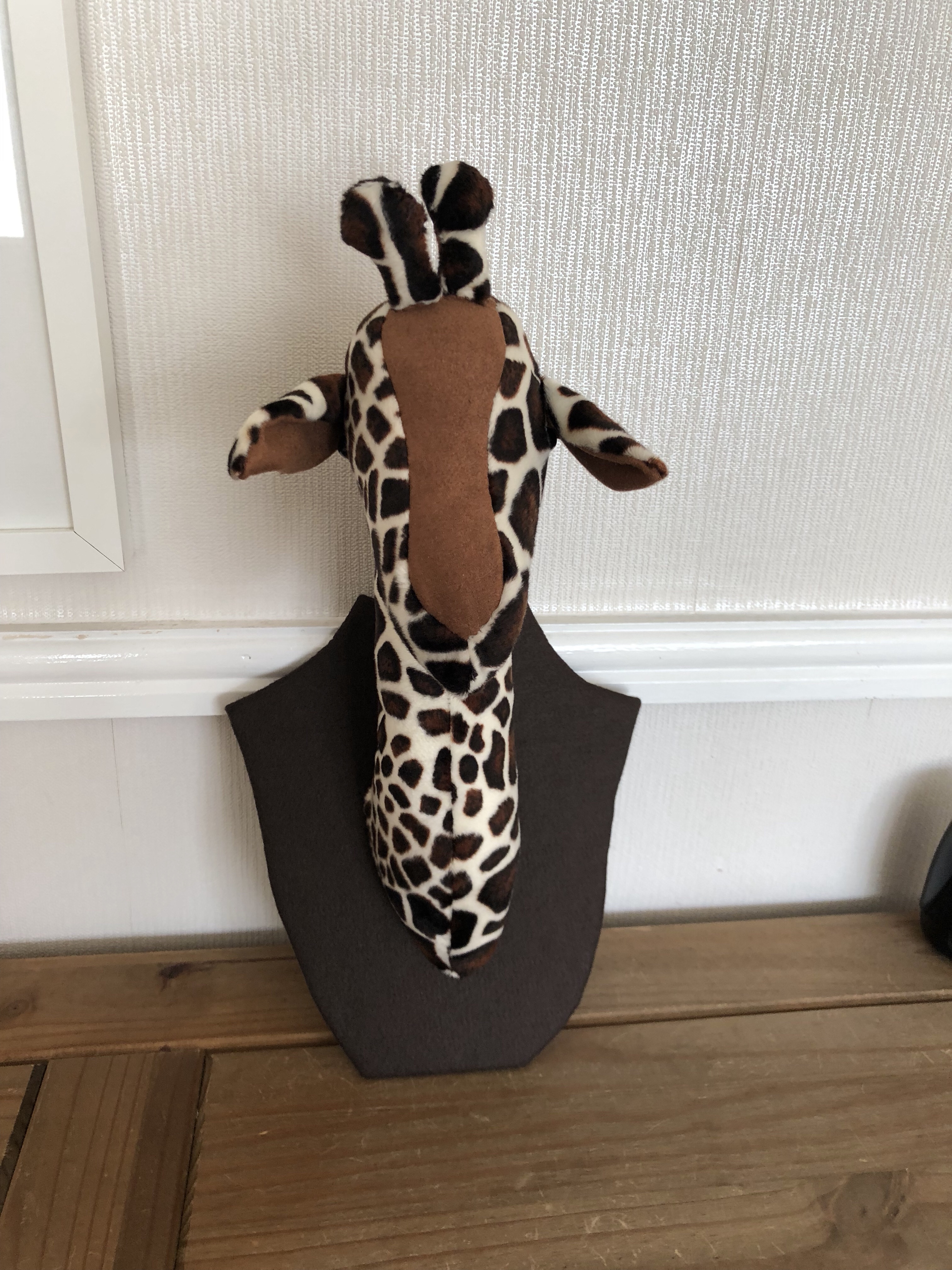
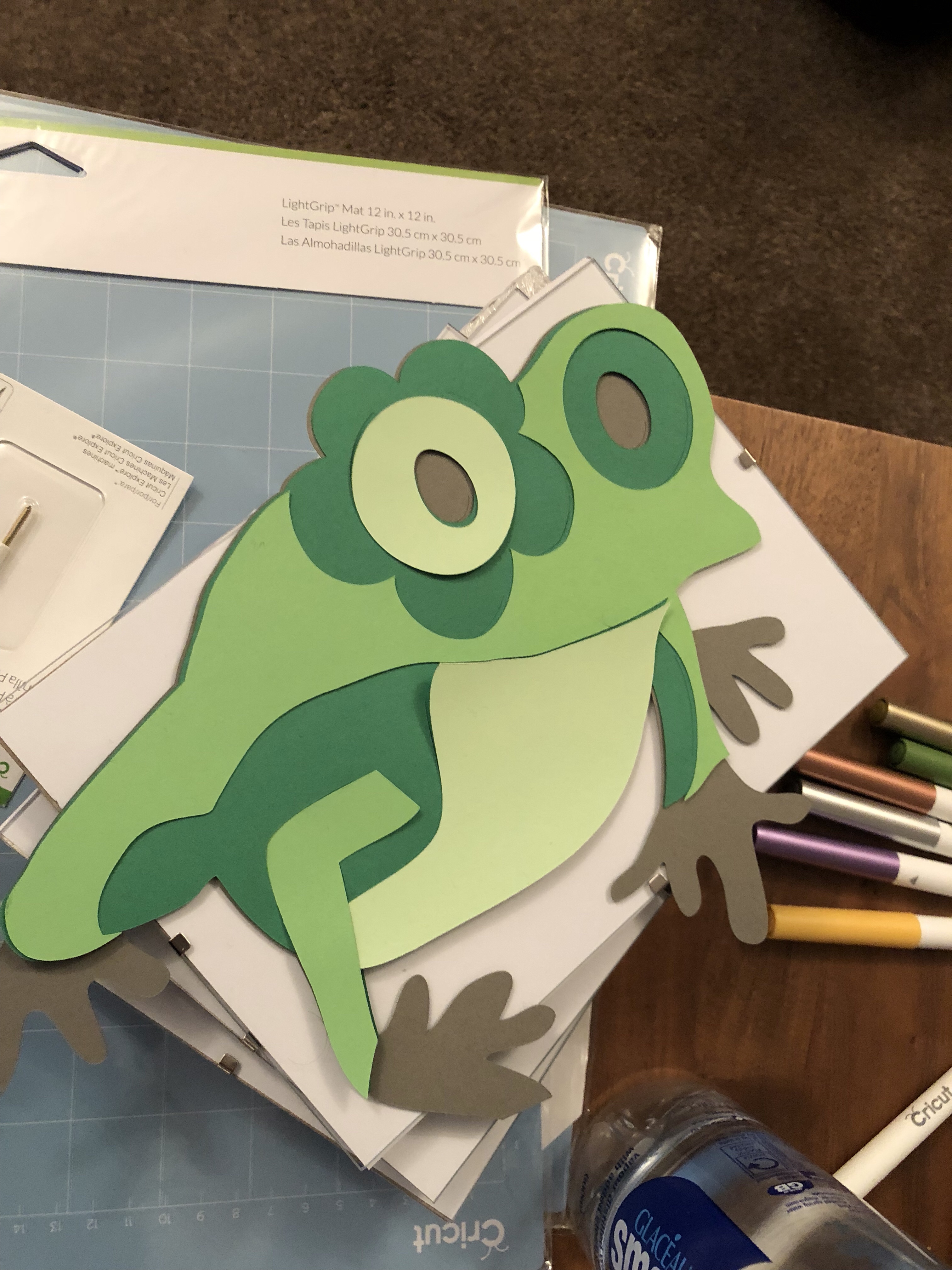
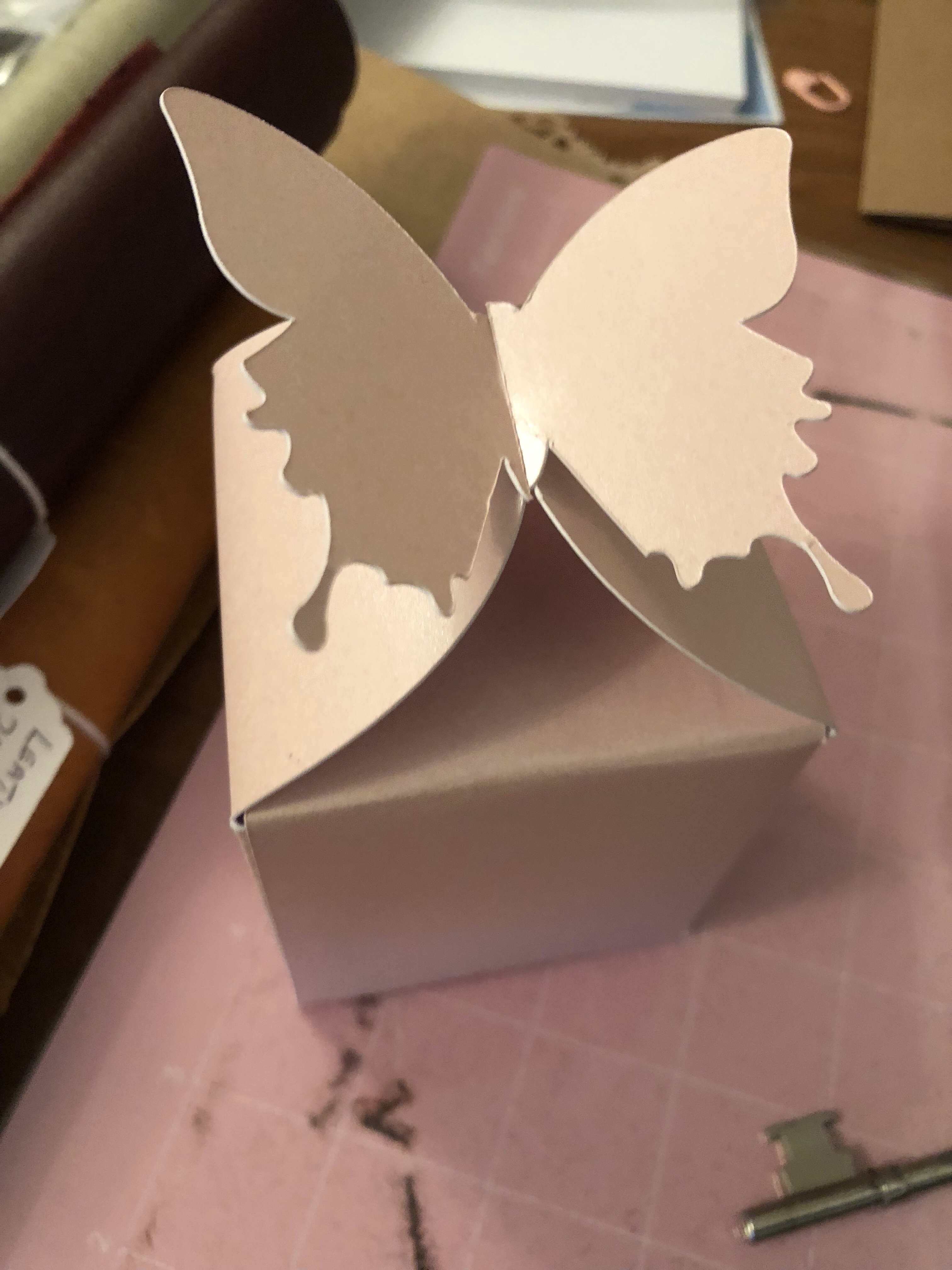
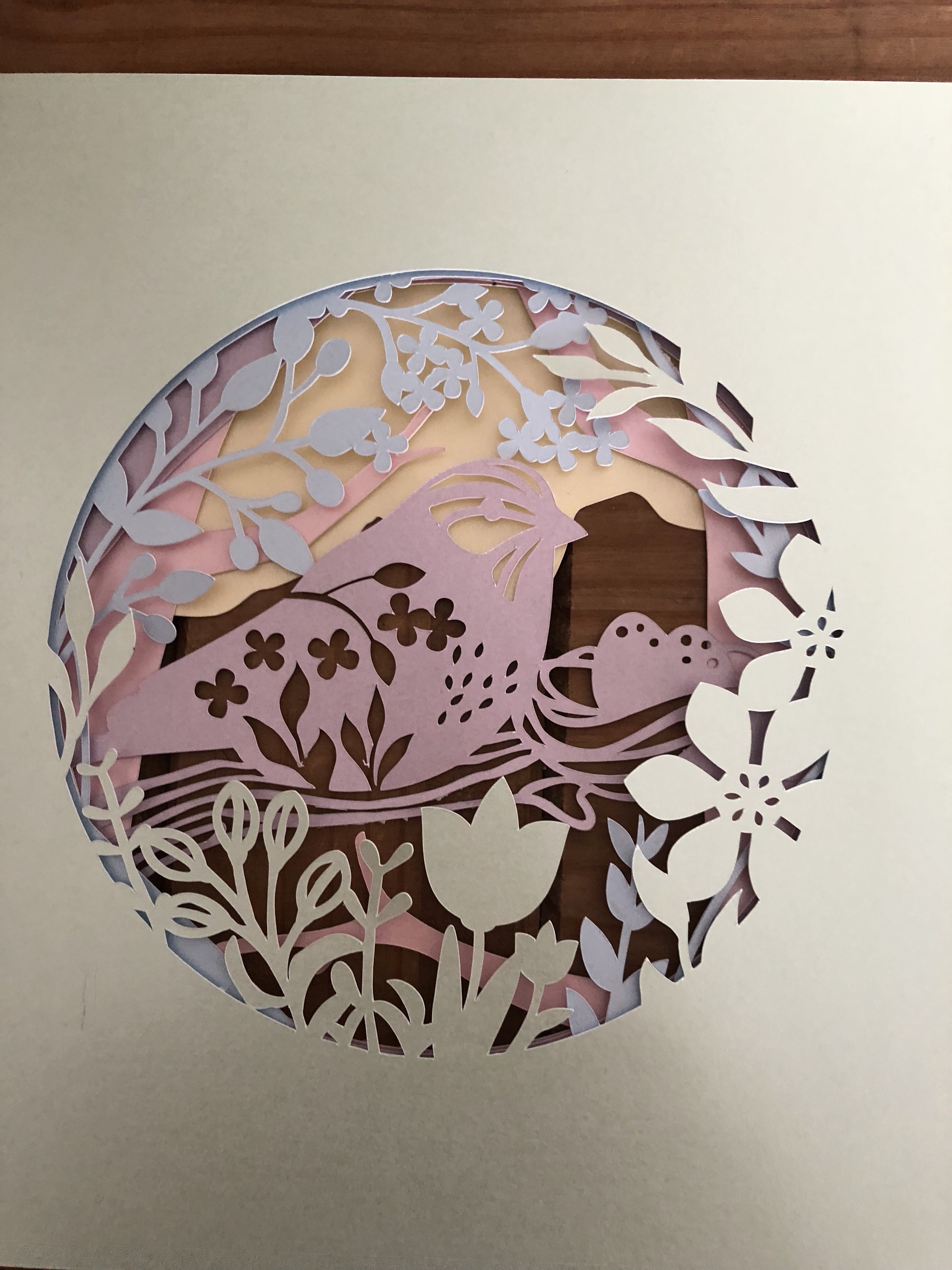
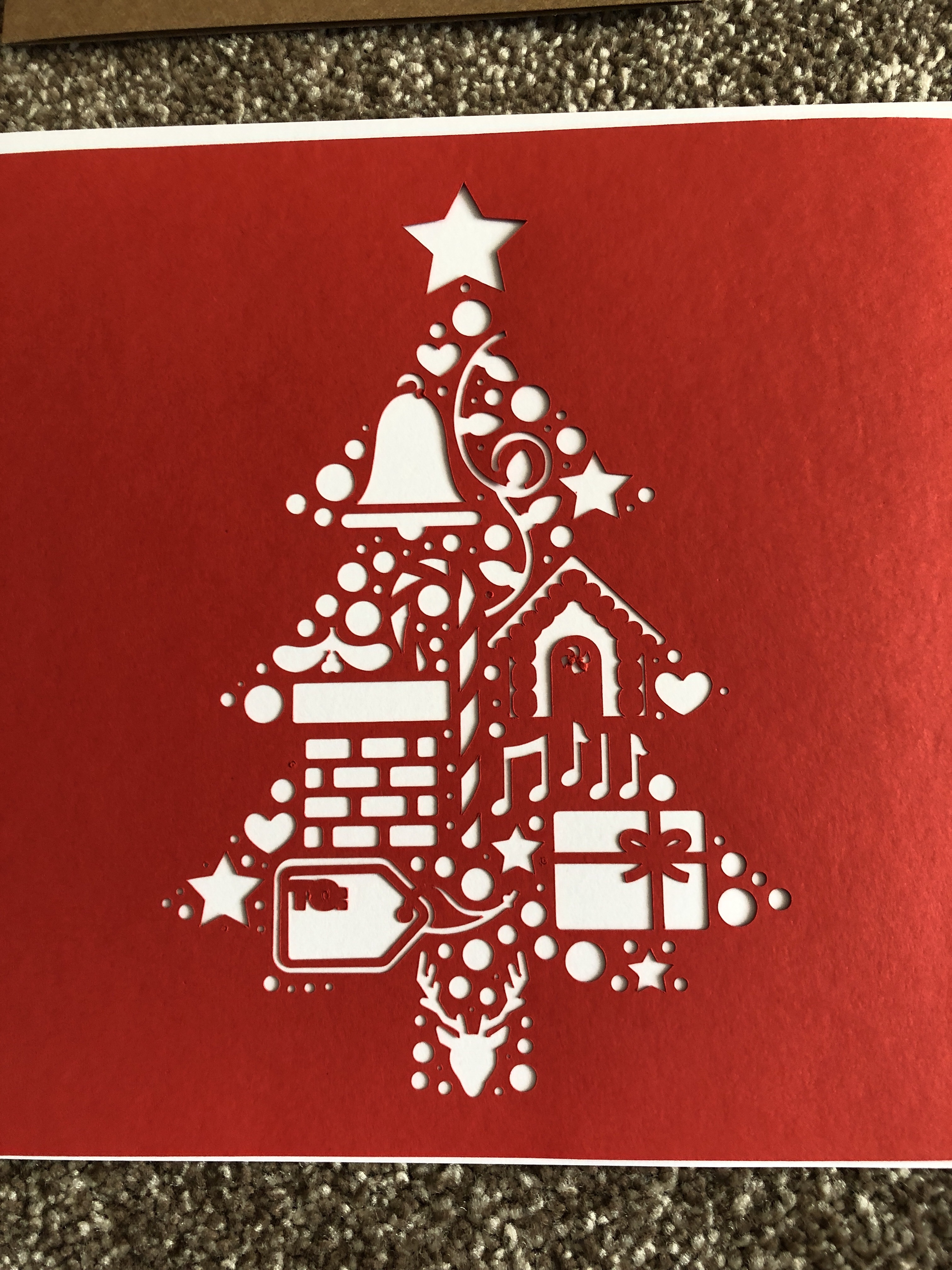 I’ve had it a fortnight and its absolutely amazing. The Cricut maker is a must have for crafting folk. 😀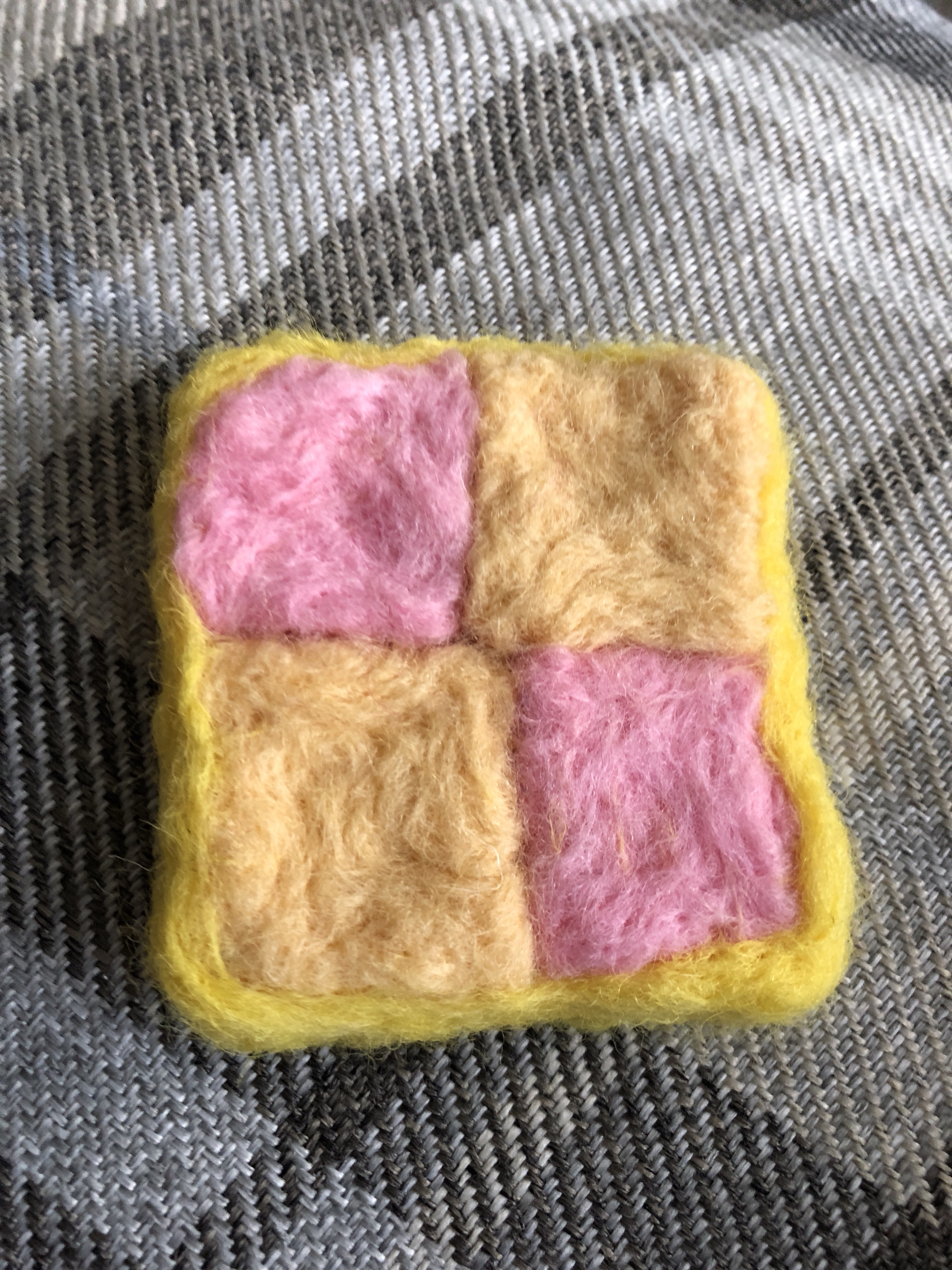
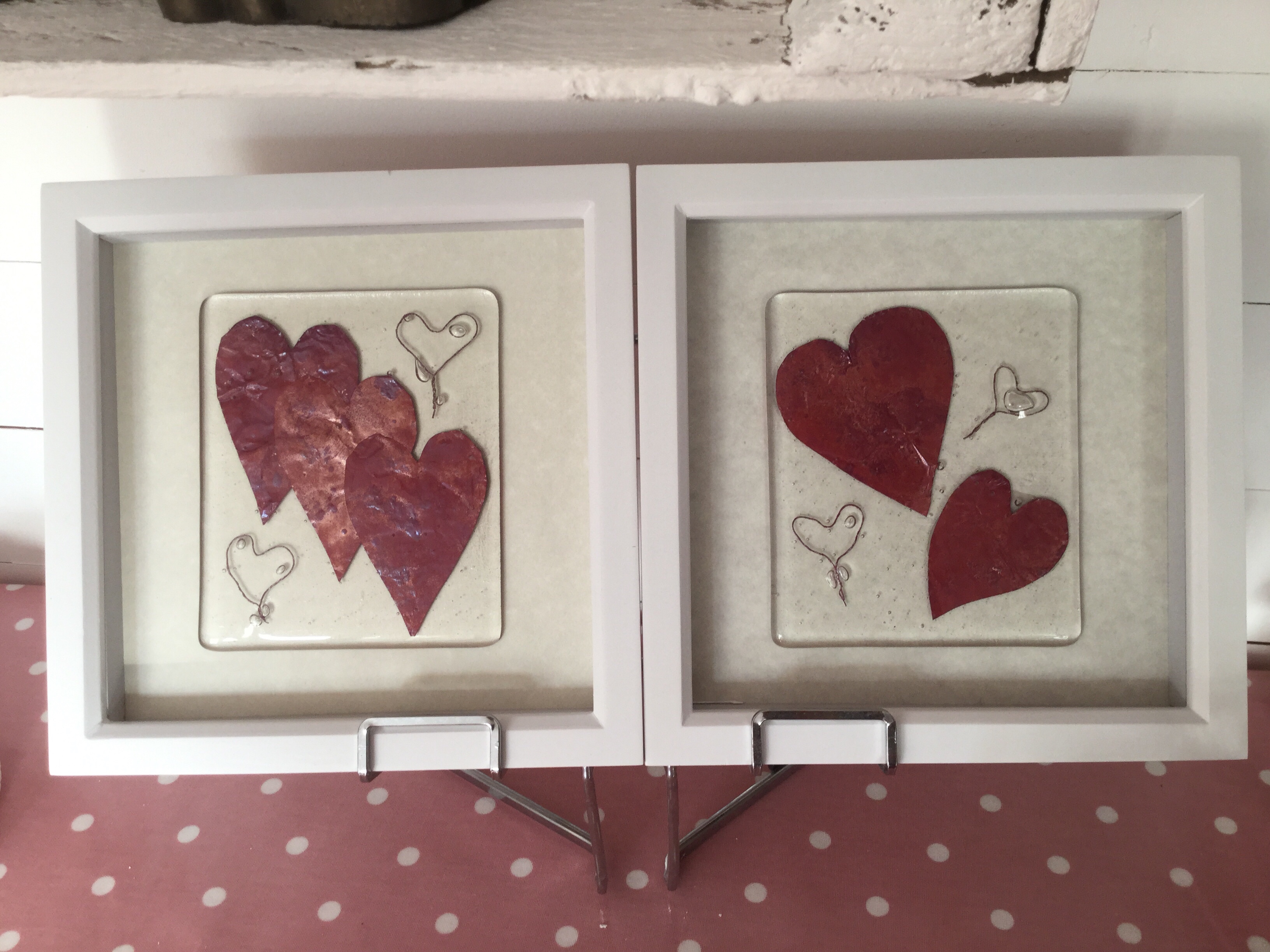
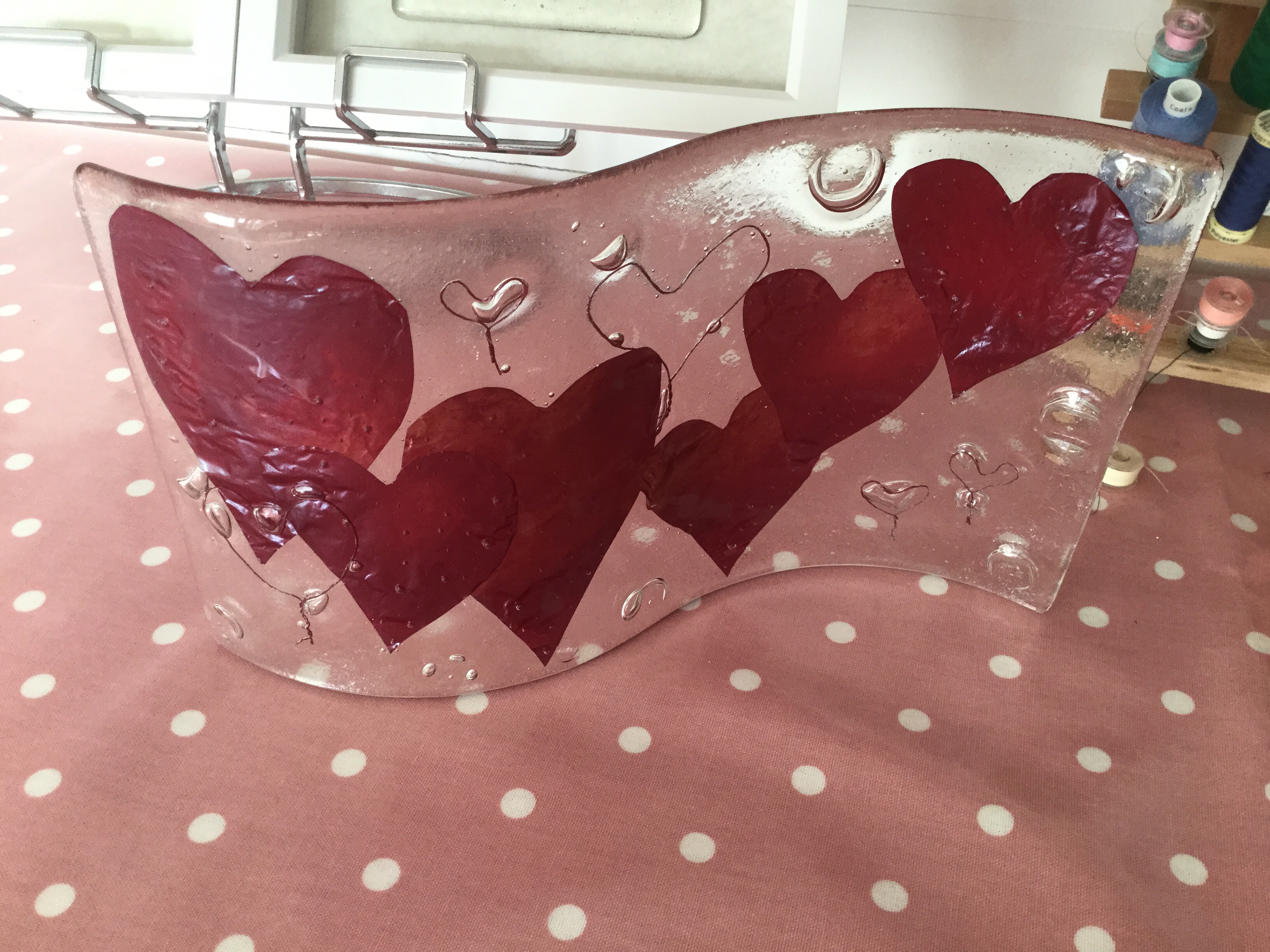

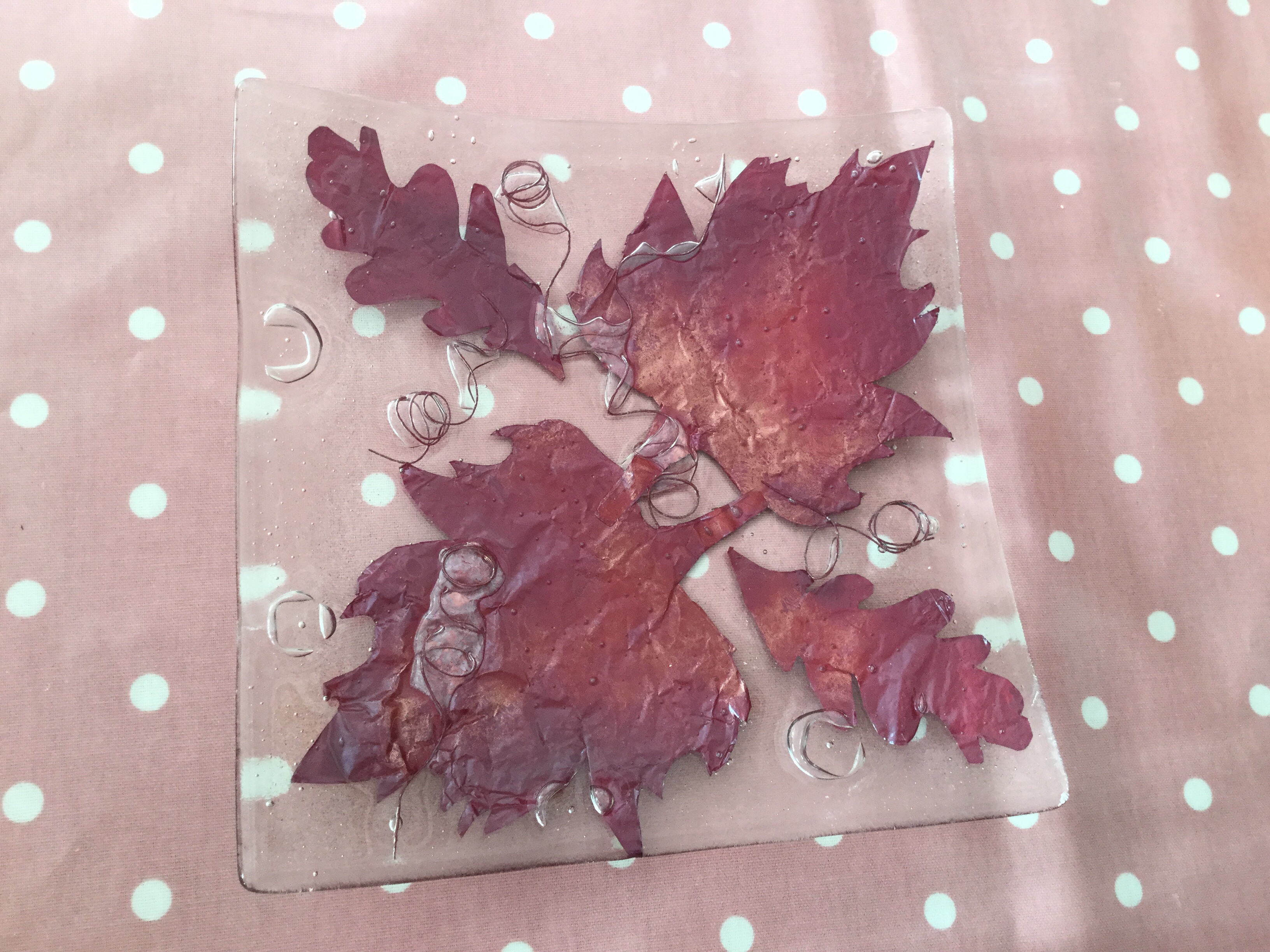
 I’m excited to show you my latest creations in the kiln.
 The Sew Journal